




Blog / GRAND RAPIDS Chevrolet Service

Chevrolet Brakes: Your Essential Guide in Grand Rapids, MN

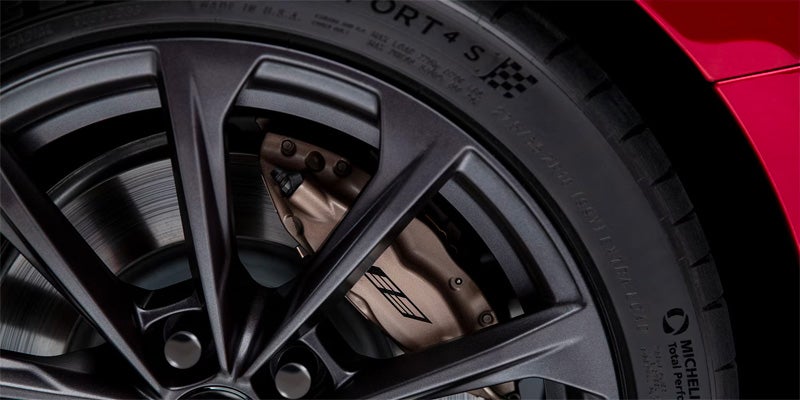
A closeup of a wheel and its brakes - Chevrolet Brakes

When it comes to vehicle safety, your braking system plays a critical role. Whether you're driving a Chevrolet or GMC, taking proper care of your brakes ensures smooth and secure driving. In this guide, we’ll answer some frequently asked questions about Chevrolet brakes, discuss brake pads, address common issues like squealing brakes, and explain when to replace your brake pads. For drivers in Grand Rapids, MN, this information is essential to keep your vehicle in top condition.  

Frequently Asked Questions About Chevrolet Brakes  

What Maintenance Do Chevrolet Brakes Require?  

Regular maintenance for Chevrolet brakes involves inspecting brake pads, rotors, and fluid. Most experts recommend checking your brakes during every oil change or at least twice a year. It's crucial to replace brake fluid as per the manufacturer's recommendation, usually around every two years. Maintaining your brakes not only ensures your safety but also helps in prolonging the lifespan of other components.  

GMC brakes follow similar maintenance routines, so regardless of your vehicle brand, it's wise to stay proactive. If you’re in Grand Rapids, MN, our team at Grand Rapids Chevrolet GMC can assist with all your brake service needs.  

  Understanding Brake Pads  

What Are Brake Pads and Why Are They Important?  

Brake pads are a vital part of your vehicle’s braking system. They create the friction needed to slow down or stop your car when the brakes are applied. Over time, brake pads wear down due to this friction and need replacing to maintain optimal braking performance.  

Chevrolet and GMC brakes typically use semi-metallic or ceramic brake pads. Semi-metallic pads are more durable and better suited for heavy-duty vehicles, while ceramic pads offer quieter performance. If you're unsure which type of brake pad is best for your Chevrolet vehicle, visit us in Grand Rapids, MN, and we’ll guide you through the options.  

Why Are My Brakes Squealing?  

Common Causes of Squealing Brakes  

Squealing brakes are a common issue for Chevrolet and GMC vehicles. While it’s normal for brakes to make noise occasionally, consistent squealing indicates a problem. Here are some potential causes:  

1. Worn Brake Pads: The most common reason for squealing is worn-out brake pads. When the pads are too thin, their built-in wear indicators will produce a squealing sound as a warning.  

2. Dust and Debris: Dirt or debris trapped between the brake pads and rotors can also cause noise.  

3. Moisture: If your brakes squeal after a rainy day or humid morning, the noise may simply be from moisture on the rotors.  

If you notice persistent squealing, it’s crucial to get your brakes inspected immediately. At Grand Rapids Chevrolet GMC, our certified technicians can diagnose and address any brake issues to ensure your safety on the road.  

When Should You Replace Your Brake Pads?  

Signs It’s Time for a Replacement  

Knowing when to replace your brake pads can save you from costly repairs and ensure your Chevrolet or GMC vehicle remains safe to drive. Look for these signs:  

- Grinding Noise: If the squealing has turned into grinding, your brake pads are likely completely worn down.  

- Reduced Responsiveness: A spongy brake pedal or reduced braking power indicates the need for an inspection.  

- Dashboard Warning Light: Many Chevrolet vehicles have dashboard indicators that alert you when your brake pads are too thin.  

- Visual Inspection: If you can see less than one-quarter inch of the brake pad material, it’s time to replace them.  

For drivers in Grand Rapids, MN, replacing brake pads promptly keeps your vehicle performing optimally. Our dealership offers genuine Chevrolet and GMC brake services to keep you safe and worry-free.  

From routine maintenance to addressing squealing brakes, our team at Grand Rapids Chevrolet GMC is here to help with all your Chevrolet and GMC brake needs. Located in Grand Rapids, MN, we provide expert care to keep your vehicle safe and reliable.  

Chevrolet brakes are a crucial component of your vehicle’s safety system, and understanding how to maintain them is key to a smooth driving experience. From knowing when to replace your brake pads to addressing squealing noises, staying informed can save you time and money. If you're in Grand Rapids, MN, trust Grand Rapids Chevrolet GMC for all your brake service needs. Drive safe and stop with confidence!  
Posted in:

Related Posts

Oil Filters FAQ: What They Are, How They Work, and Why They Matter 

Oil Filters FAQ: What They Are, How They Work, and Why They Matter

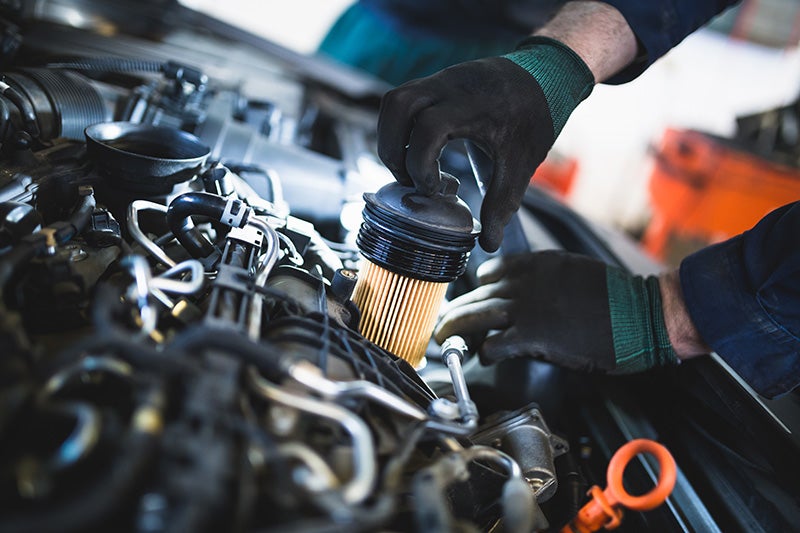
Oil filters are not often thought about. No one brags about them at a stoplight. But they do the kind of work that keeps everything else from falling apart. Understanding how an oil filter works is less about curiosity and more about avoiding problems that get expensive fast. It is one of the simplest parts on the vehicle. It is also one of the easiest to neglect. What Is an Oil Filter? An oil filter is exactly what it sounds like. It cleans the oil that moves through your engine. That oil picks up debris as it circulates. Tiny metal particles, dirt, and sludge all end up in the system over time. more The filter catches that material before it can keep moving through the engine. Without it, those particles would continue circulating, slowly grinding away at internal components. How Do Oil Filters Work? Oil flows through the filter under pressure. Inside, a pleated material, usually paper or a synthetic blend, traps contaminants while allowing clean oil to pass through. Most filters also include a bypass valve. If the filter becomes clogged, that valve opens to keep oil moving. It is not ideal, but it is better than cutting off flow entirely. Why Are Oil Filters Important? Engines rely on clean oil to reduce friction and manage heat. When contaminants build up, that balance starts to shift. A functioning oil filter helps: Extend engine life Maintain fuel efficiency Keep performance consistent over time Ignore it, and the consequences tend to show up slowly, then all at once. Increased wear, reduced efficiency, and eventually damage that could have been avoided with routine maintenance. How Often Should You Replace Your Oil Filter? In most cases, oil filters should be replaced every time the oil is changed. For many vehicles, that falls somewhere between 3,000 and 5,000 miles depending on oil type and driving conditions. Short trips, cold climates, and frequent stop-and-go driving can shorten that interval. In northern Minnesota, those conditions are not unusual. If there is any doubt, the service team at Grand Rapids Chevrolet GMC can point you in the right direction and keep things on schedule. What Happens If You Don’t Replace Your Oil Filter? An old filter does not just stop working. It becomes an active restriction. Oil flow can decrease. Contaminants can bypass the filter entirely. Internal components begin to wear faster than they should. Left long enough, the damage becomes serious. In some cases, it leads to engine failure. Not dramatic at first. Just gradual deterioration until something gives out. Routine maintenance is necessary. Replacing an oil filter on time keeps the engine clean, properly lubricated, and operating as it should. At Grand Rapids Chevrolet in Grand Rapids, MN, express oil change services include the details that matter. Fresh oil, a new filter, and a closer look at the condition of your vehicle so small issues stay small.

Quick Oil Changes That Don’t Feel Like a Mini Expedition 

Quick Oil Change That Doesn’t Feel Like a Mini Expedition

Have you ever gotten in your car, noticed the oil light is on, and you just don't have the time to wait all day for an oil change? The first thing you think about when you get in your vehicle is not about the oil. It’s not even the second or fifth. Suddenly every engine noise sounds dramatic. Every stoplight feels like a mechanical judgment. Fortunately, Grand Rapids Chevrolet GMC has created a process that removes most of the suspense — and a surprising amount of the waiting. Because Your Engine Prefers Fresh Oil Over Existential Anxiety Routine oil service might not sound glamorous, but it quietly keeps your vehicle from staging a very expensive protest. Fresh oil helps reduce friction, regulate temperature, and prevent the kind of sludge buildup that sounds like a dessert topping but absolutely is not. more A quick visit for an oil change can help support: Smoother engine operation, which means fewer mysterious sounds you attempt to ignore Improved fuel efficiency, which your wallet tends to appreciate immediately Longer engine life, allowing you to postpone the emotional experience of major repairs Express Oil Change Service That Respects Your Schedule (and Your Sanity) The Express Service team in Grand Rapids understands that people have jobs, errands, pets, children, and occasionally hobbies. That’s why quick oil changes are designed to be efficient without feeling rushed. Factory-trained technicians use OEM-approved oil and filters tailored to your specific Chevrolet or GMC model. Translation: your Silverado, Traverse, or Equinox gets proper care while you remain free to continue your day without reorganizing your entire life around a maintenance visit. Oil Change Coupons: Because Saving Money Is Always Stylish Oil change coupons are available regularly, which is wonderful news for anyone who enjoys keeping their vehicle healthy and their budget reasonably calm. Checking current service specials online can turn a routine maintenance stop into a mildly satisfying financial victory. A Little More Than Just Fresh Oil While your oil is being replaced, technicians can perform a multi-point inspection to spot small issues before they evolve into dramatic roadside stories you’ll retell for years. Catching minor concerns early often helps drivers avoid inconvenient breakdowns and surprise expenses. Keep Things Running Smoothly in Grand Rapids If your maintenance reminder light has begun its passive-aggressive blinking routine, it may be time to act. Visit Grand Rapids Chevrolet GMC for a quick oil change experience that’s fast, reliable, and refreshingly low on hassle.

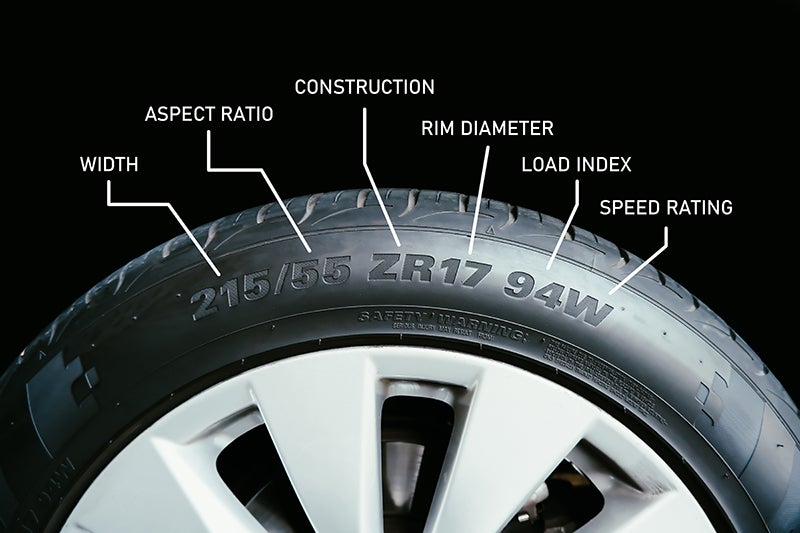
A chart explaining how to read the sizing of a tire - Chevrolet Tires

Chevrolet Tires: A Guide For Every Model

Chevrolet Tires FAQ When it comes to maintaining your Chevrolet, tires play a crucial role in ensuring safety, performance, and fuel efficiency. Whether you're driving a Silverado or an Equinox, understanding your tires is essential. In Grand Rapids, Minnesota, where seasonal changes impact road conditions, having the right tires matters even more. Frequently asked questions about Chevrolet tires often revolve around compatibility, performance, and maintenance. For example, can GMC tires be used on a Chevrolet vehicle? The answer depends on tire specifications, which should align with your vehicle's requirements. Checking your owner’s manual or consulting a professional can help determine the right fit. Tire Sizing Choosing the proper tire size for your Chevrolet is critical to maintaining optimal performance. Simply put, the wrong size can negatively affect handling and gas mileage. Tire sizing information can usually be found on the sidewall of your current tires or in your vehicle’s manual. more For instance, a 2026 Chevrolet Silverado might use tires different from those of a 2025 Equinox EV. The numbers on the sidewall, such as “265/70R17,” tell you about the tire’s width, aspect ratio, and wheel diameter. If you're considering GMC tires for your Chevrolet, ensure they match these specifications exactly. Replacing Chevrolet Tires Knowing when to replace your tires can save you from unexpected issues on the road. Tread depth is the main indicator: if it’s below 2/32 of an inch, it’s time for a replacement. However, other factors like sidewall damage or age (typically six years or older) also signal the need for new tires. Replacing tires in Grand Rapids, MN, can be straightforward if you consult experts who understand Chevrolet models. Whether you're upgrading to all-season tires for year-round performance or snow tires for harsh winters, professional guidance ensures you make the best choice. Tread Life The lifespan of your Chevrolet tires depends on factors like driving habits, road conditions, and maintenance. On average, most tires last between 40,000 to 60,000 miles, but regular inspections are key to maximizing their lifespan. Driving on rough terrain, common in areas around Grand Rapids, can wear down tires faster. To ensure even tread wear, opt for routine services like tire alignment and balancing. Some drivers may also explore GMC tires designed for durability and performance as a suitable replacement for Chevrolet models. Tire Rotation Tire rotation is essential for prolonging the life of your tires and improving vehicle performance. This service involves changing the position of each tire, such as moving the front tires to the rear and vice versa. Chevrolet recommends rotating tires every 7,500 miles or as specified in your vehicle’s manual. This practice evenly distributes wear, helping you get the most out of your investment. In Grand Rapids, MN, where icy roads and gravel paths are common, regular tire rotation can help maintain consistent traction and handling. For all your Chevrolet tire needs MN, visit Grand Rapids Chevrolet GMC. Whether you're looking for expert advice on tire sizing, replacing worn-out tires, or scheduling a tire rotation, our team is here to help. Explore our inventory and schedule your service today.