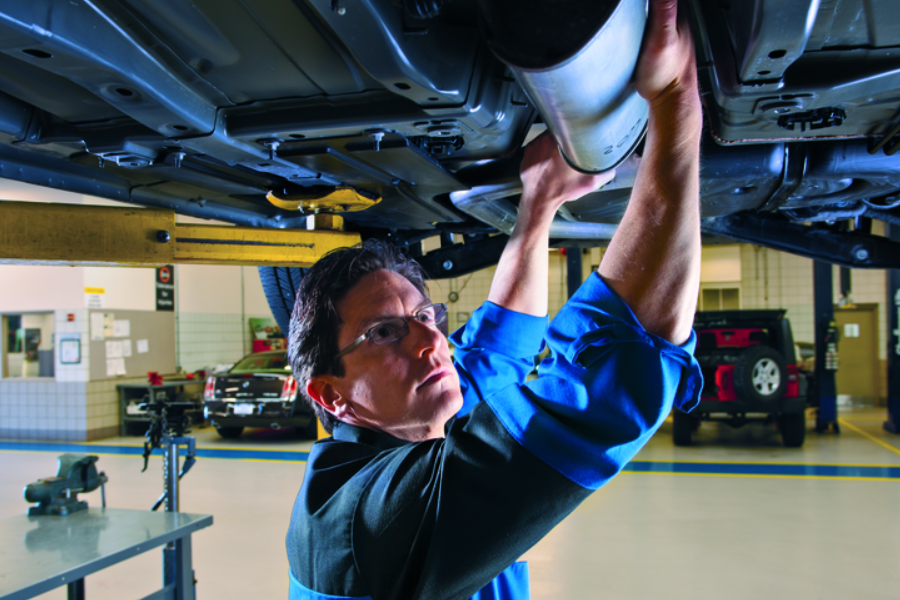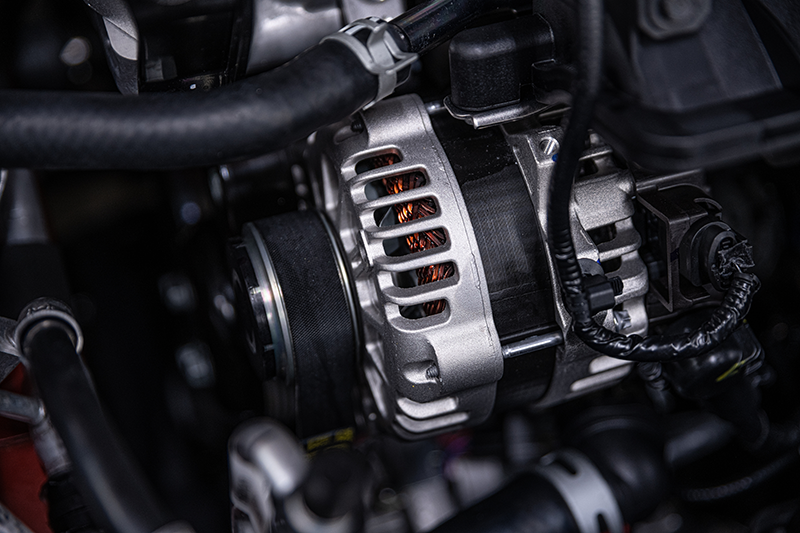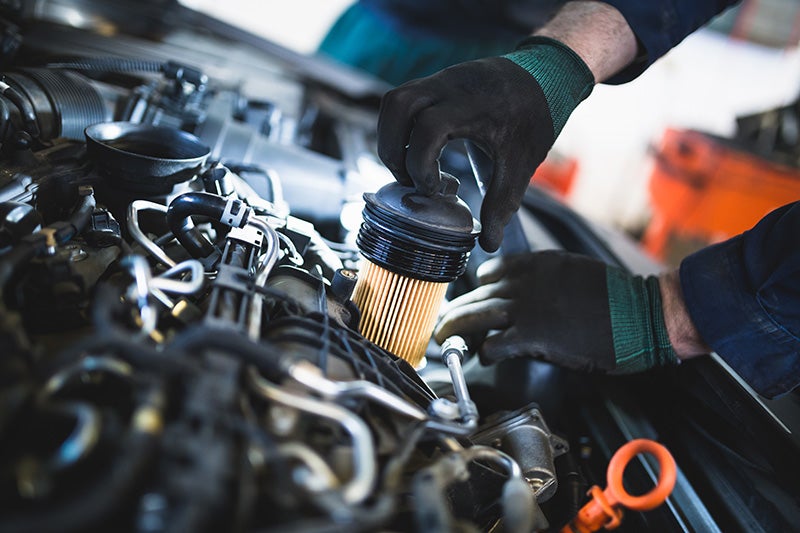





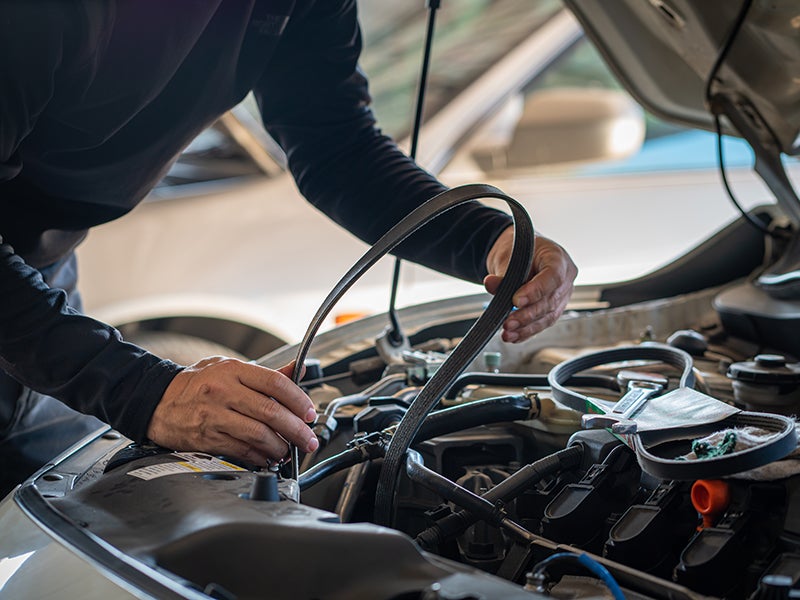
Serpentine Belt vs. Timing Belt: Similar Names, Completely Different Jobs Engine belts aren't terribly exciting when they're working. They're strips of reinforced material spinning around pulleys thousands of times while you drive, and most owners quite reasonably have other things to think about. But the serpentine belt and timing belt perform very different jobs, and losing either can bring a journey to a rather abrupt conclusion. Knowing which one your Chevrolet uses, what it operates, and when it needs inspection is useful maintenance knowledge for Grand Rapids, MN, drivers who would prefer not to learn about belts from the side of the road. The Serpentine Belt Keeps the Supporting Cast Moving The serpentine belt is the long belt routed around several pulleys at the front of the engine. Driven by the crankshaft, it can operate accessories such as the alternator, air conditioning compressor, power steering pump, and water pump, depending on the vehicle's design. It's a wonderfully simple arrangement: one belt transferring engine rotation to several components that need it. If that belt slips, deteriorates, or breaks, those systems can stop functioning properly. That's why a serpentine belt inspection belongs naturally alongside routine Chevrolet maintenance and other checks performed during a service visit. The Timing Belt Has a Much Less Forgiving Job A timing belt isn't there to run accessories. Its job is internal engine synchronization, keeping the crankshaft and camshaft operating in the correct relationship so the valves open and close at the required time. Get that relationship wrong and you've moved beyond an irritating squeak into potentially serious engine trouble. Some engines use a timing chain rather than a belt, so don't assume your Chevrolet has one simply because you've heard the term. The owner's manual and Chevrolet maintenance schedule are the appropriate references for determining what the engine uses and what service it requires. Some Engines Do the Same Work with Different Hardware Older vehicles may use individual V-belts to operate separate accessories rather than one serpentine belt. Modern designs commonly consolidate several of those jobs into a single serpentine arrangement, but belt layouts still vary by engine and model. This is one reason generic replacement intervals aren't especially useful. Instead of assuming every Chevrolet needs identical belt service at a particular mileage, have the correct components inspected according to the maintenance guidance for your specific vehicle. A Certified Service technician can identify the belt system and check its condition during routine service. Belts Wear, and They Usually Leave Evidence Inspection is straightforward because deterioration can often be seen or heard. A serpentine belt may develop cracking, fraying, glazing, or missing material as it ages. Squealing or chirping can also justify an inspection, particularly if accompanied by another symptom such as a battery warning light or loss of air-conditioning performance. Those symptoms don't automatically prove the belt itself is responsible; tensioners, pulleys, and driven accessories are part of the system too. Proper engine diagnostics are more useful than simply replacing whichever component happens to be easiest to see. Timing-Belt Maintenance Isn't a Good Place for Guesswork Timing-belt service requirements vary by manufacturer, engine, and model, so replacement should follow the specified maintenance schedule rather than a universal mileage rule. If the vehicle develops unusual engine noises, starting problems, or changes in how it runs, schedule an inspection rather than waiting to see if the symptoms become more obvious. Belt condition can also be reviewed as part of broader preventive maintenance. An oil change or Multi-Point Vehicle Inspection is a sensible opportunity to ask about upcoming maintenance before a component reaches the end of its service life. Inspect the Belt Before It Makes the Decision for You Grand Rapids Chevrolet can help drivers with serpentine belt inspections, engine diagnostics, scheduled maintenance, oil changes, Multi-Point Vehicle Inspections, and other Chevrolet service needs. If you've noticed unusual noises, warning lights, or changes in vehicle operation, our Certified Service team can inspect the relevant systems and determine what needs attention. Check available service specials, review your Chevrolet's maintenance needs, and schedule a service appointment online before a worn component gets the final say.
Chevrolet in Pop Culture: Famous Models on Screen
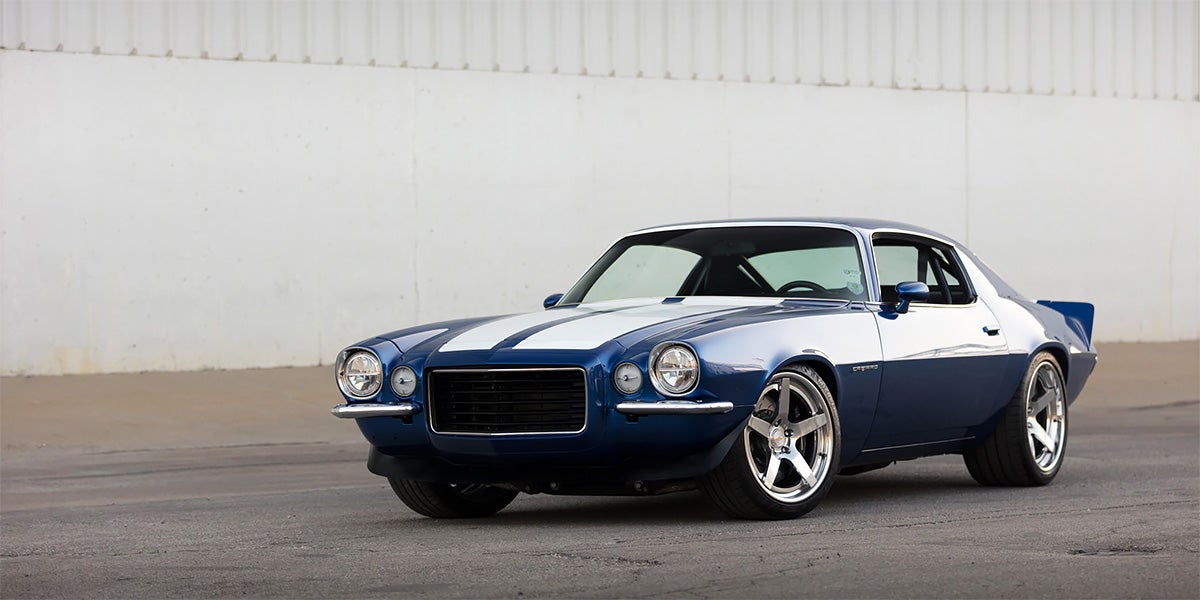
Chevrolet in Pop Culture: The Cars That Became Part of the Cast Some cars appear in films simply because a character needs transportation. Others become part of the story. Chevrolet has produced an unusual number of the latter, with Camaros, Impalas, Corvettes, and El Caminos appearing across film and television for decades. Sometimes they're heroes, sometimes they're background machinery, and occasionally they become nearly as recognizable as the actors driving them. For Chevrolet fans around Grand Rapids, MN, here is an entertaining look at how certain models escaped the automotive world and became pieces of popular culture. Bumblebee Made the Camaro Difficult to Forget The Chevrolet Camaro's connection to the Transformers films is perhaps the obvious modern example. Bumblebee appeared as a yellow Camaro in the live-action film franchise, introducing the car to an enormous audience that may not have cared about displacement, suspension geometry, or any of the other things car enthusiasts normally discuss. It worked because the Camaro already had the necessary visual presence. Long bonnet, low roof, broad stance—it looked dramatic before anyone added the enormous transforming robot. That association became strong enough that, for a generation of viewers, a yellow Camaro can immediately bring Bumblebee to mind. The Impala Managed to Become a Character Television arguably gave Chevrolet an even stronger cultural association through Supernatural. The Winchester brothers' black 1967 Chevrolet Impala appeared throughout the show's 15-season run and became closely connected with the series itself. Known as "Baby," the car wasn't treated merely as transport between locations. Its cabin, boot, weapons compartment, and history with the characters repeatedly became parts of the story. That's an impressive second career for a full-size Chevrolet designed decades before the program existed, and it demonstrates why older cars work so well on screen: their shapes, sounds, and interiors can contribute something distinctive to a scene. The El Camino Is Difficult to Mistake for Anything Else Then there's the Chevrolet El Camino, a vehicle created by asking a question along the lines of, "What if we made a car and then removed half of it to install a pickup bed?" The result occupied a wonderfully strange space between passenger car and truck, which has helped make the El Camino instantly recognizable in films and television. It has appeared across dramas, comedies, and period productions because there simply aren't many vehicles with the same silhouette. Put one in the background and enthusiasts notice it. Put one in the foreground and it immediately tells the audience something about the person who chose to drive it. Corvettes and Impalas Became Cultural Objects Beyond Hollywood Chevrolet's influence extends well beyond scripted entertainment. Corvettes and classic Impalas have become fixtures at enthusiast gatherings, collector auctions, custom-car events, and cruise nights. The Corvette brings decades of American sports-car history, while generations of Impala have been embraced by different corners of car culture, including the custom and lowrider communities. That's part of what gives these cars staying power. They aren't famous solely because a studio placed them in front of a camera; many already had enthusiast communities and recognizable identities long before their most memorable screen appearances. Modern Chevrolets Still Carry Familiar Names Today's Chevrolet lineup looks considerably different from the cars that established many of these pop-culture connections. The Camaro is no longer part of the current new-vehicle range, but the Corvette Stingray continues the sports-car story, while models such as the Chevrolet Silverado 1500 and Chevrolet Equinox represent very different sides of the modern brand. For enthusiasts interested in the history behind the badge, exploring Chevrolet model research or comparing today's 2026 Chevrolet inventory provides an interesting contrast between the vehicles people remember from screens and the ones currently on the road. See the Current Chevrolet Lineup in Grand Rapids A yellow Camaro turning into Bumblebee and a black 1967 Impala carrying the Winchester brothers helped give Chevrolet some memorable screen time, but those appearances are only part of a much larger automotive history. Drivers around Grand Rapids, MN, can visit Grand Rapids Chevrolet to explore new Chevrolet vehicles, compare current Chevrolet SUVs and trucks, learn more about available Corvette models, and schedule a test drive online to experience the modern side of a brand that's spent plenty of time in the spotlight.