





Blog / Buyers FAQs

Fuel Efficiency and Gas Mileage: How to Improve Your Chevrolet’s Performance on the Road

Fuel Efficiency and Gas Mileage: How to Improve Your Chevrolet’s Performance on the Road

Fuel efficiency and gas mileage are important considerations for many Chevrolet drivers. Whether you commute daily, take long road trips, or use your vehicle for work and recreation, understanding how your vehicle uses fuel can help you make informed decisions about maintenance, driving habits, and your next Chevrolet model.

At Grand Rapids Chevrolet in Grand Rapids, MN, we help drivers understand the factors that influence fuel efficiency and how proper vehicle care can support reliable performance. From fuel-efficient Chevrolet cars and SUVs to capable trucks with advanced engine technology, today’s Chevy lineup offers options designed to balance capability and efficiency.

What Is Fuel Efficiency?

Fuel efficiency refers to how effectively a vehicle converts fuel into usable energy. It is commonly measured by miles per gallon (MPG), which indicates how far a vehicle can travel using a specific amount of fuel.

A vehicle with higher fuel efficiency can travel farther on less fuel compared to a vehicle with lower efficiency. However, fuel economy depends on more than just the vehicle itself. Driving habits, maintenance, road conditions, and weather can all influence gas mileage.

Factors that affect fuel efficiency include:

  • Vehicle size and weight
  • Engine type and performance
  • Driving habits
  • Tire condition and inflation
  • Maintenance schedule
  • Road and weather conditions

Understanding these factors can help you get the most from your Chevrolet.

How Does Gas Mileage Work?

Gas mileage describes the distance a vehicle can travel using a specific amount of fuel. When drivers compare vehicles, MPG ratings provide a helpful way to understand expected fuel consumption.

EPA-estimated MPG ratings are based on standardized testing procedures, but real-world gas mileage may vary depending on how and where you drive.

Your actual fuel economy can be affected by:

  • Frequent stop-and-go traffic
  • Highway versus city driving
  • Carrying heavy loads
  • Aggressive acceleration
  • Excessive idling
  • Seasonal temperature changes

By understanding your driving patterns, you can better evaluate your vehicle’s fuel performance.

Chevrolet Models Designed With Fuel Efficiency in Mind

Chevrolet offers a wide range of vehicles designed to meet different driving needs. Whether you need a commuter-friendly SUV, a versatile crossover, or a capable pickup truck, Chevrolet provides options with technology focused on performance and efficiency.

Chevrolet models known for balancing capability and efficiency include:

  • Chevrolet Equinox: A versatile SUV designed for everyday commuting and family driving
  • Chevrolet Trax: A compact SUV offering maneuverability and practical features
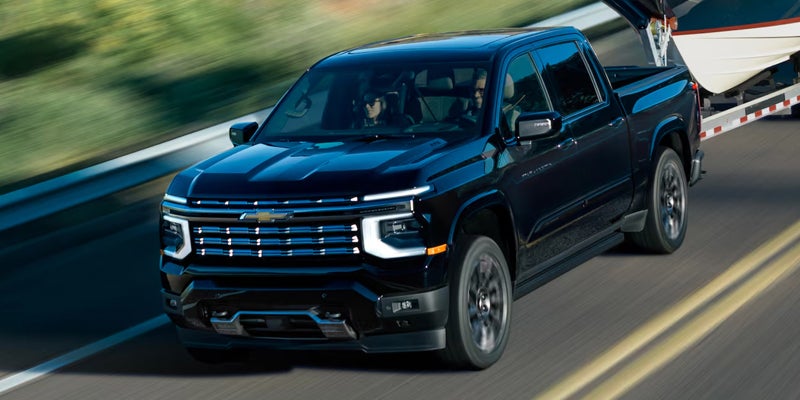
  • Chevrolet Silverado: A full-size truck offering advanced powertrain options for drivers who need capability

Each model provides different advantages depending on your driving needs, lifestyle, and priorities.

How Maintenance Can Improve Fuel Efficiency

Regular maintenance is one of the best ways to support your Chevrolet’s fuel efficiency. When your vehicle operates properly, the engine and related systems can perform more effectively.

Routine maintenance that supports fuel economy includes:

  • Regular oil changes
  • Proper tire inflation checks
  • Air filter inspections
  • Spark plug maintenance when recommended
  • Fuel system inspections
  • Scheduled service appointments

A neglected vehicle may work harder than necessary, which can affect gas mileage over time.

Does Tire Pressure Affect Gas Mileage?

Yes, tire pressure can influence fuel efficiency. Underinflated tires create additional rolling resistance, requiring the engine to work harder to move the vehicle.

Maintaining proper tire pressure helps:

  • Improve fuel economy
  • Support even tire wear
  • Enhance handling performance
  • Promote safer driving conditions

Checking tire pressure regularly is a simple step that can help your Chevrolet perform efficiently.

Driving Habits That Improve Gas Mileage

The way you drive has a significant impact on fuel consumption. Small adjustments behind the wheel can help maximize your vehicle’s efficiency.

Helpful fuel-saving driving habits include:

  • Accelerating smoothly instead of rapidly
  • Maintaining consistent speeds when possible
  • Avoiding unnecessary idling
  • Removing excess weight from your vehicle
  • Using cruise control during suitable highway driving

Consistent driving habits can help your Chevrolet use fuel more effectively.

Does Vehicle Maintenance Affect Gas Mileage?

A properly maintained vehicle generally performs more efficiently than one that has been neglected. Maintenance helps ensure that important systems continue operating as designed.

Examples of maintenance that may support gas mileage include:

  • Keeping engine oil clean and at the recommended level
  • Replacing filters according to manufacturer guidelines
  • Addressing check engine lights promptly
  • Maintaining properly functioning sensors and systems

If your vehicle’s fuel efficiency changes unexpectedly, scheduling an inspection can help identify possible causes.

How Weather Conditions Impact Fuel Efficiency

Drivers in Grand Rapids, MN, experience changing weather conditions throughout the year, and temperature can influence vehicle performance. Cold weather may affect fuel consumption because engines require more energy to operate efficiently during lower temperatures.

Seasonal factors that may influence gas mileage include:

  • Cold starts during winter months
  • Snow and ice conditions
  • Increased use of climate controls
  • Winter tire selection
  • Road conditions

Preparing your Chevrolet for seasonal driving can help maintain dependable performance throughout the year.

Choosing a Chevrolet With the Right Fuel Economy for Your Lifestyle

The right Chevrolet depends on how you use your vehicle. Drivers who commute long distances may prioritize fuel efficiency, while others may need towing capability, cargo space, or performance.

When choosing a Chevrolet, consider:

  • Your average daily driving distance
  • City versus highway driving
  • Passenger and cargo needs
  • Desired vehicle size
  • Long-term ownership goals

A fuel-efficient vehicle should match your lifestyle while still providing the features and capability you need.

Improve Your Chevrolet Fuel Efficiency at Grand Rapids Chevrolet

Fuel efficiency and gas mileage depend on many factors, including vehicle design, maintenance, and driving habits. By keeping up with regular service and understanding how your Chevrolet operates, you can help support reliable performance and efficient driving.

At Grand Rapids Chevrolet in Grand Rapids, MN, our team helps drivers find the right Chevrolet vehicle and maintain it for years of dependable service. Whether you are looking for a fuel-efficient SUV, a capable truck, or expert maintenance support, we are ready to assist.

Schedule a service appointment or explore Chevrolet models at Grand Rapids Chevrolet to learn more about improving your driving experience.

Posted in:

Related Posts

Horsepower and Torque Explained: What Every Driver Should Know - 2027 Chevrolet Silverado 1500

Horsepower and Torque Explained: What Every Driver Should Know

If you've ever browsed vehicle specs and wondered what horsepower and torque actually mean, you're not alone. These two numbers appear on nearly every vehicle listing, but they can feel abstract without some context. So, if you're shopping for a new Chevrolet truck or SUV near Grand Rapids, Minn., understanding these figures can help you make a smarter, more confident decision. What Is Horsepower? Horsepower is a measure of how much power an engine can produce over time. One horsepower equals the work needed to move 550 lbs by one foot in one second. In simple terms, it reflects how quickly an engine can do work - think of it as the vehicle's top-end capability. Higher horsepower generally means a vehicle can reach and sustain higher speeds more easily. When you're cruising on the highway or need a burst of speed to pass, horsepower is what's doing the heavy lifting. more What Is Torque? Torque is the rotational force your engine generates, and it's measured in pound-feet. While horsepower gets a lot of attention, torque is what you feel the moment you press the accelerator. It's the pulling and pushing force that gets a vehicle moving from a stop. For drivers who tow trailers, haul cargo, or navigate uneven terrain, strong torque output is often more valuable than peak horsepower. How Horsepower and Torque Work Together These two figures don't exist in isolation - they're closely connected. Torque is the raw force the engine produces, while horsepower is essentially a calculation based on how fast that torque is being generated. An engine with high torque at low rpm gives you strong, effortless acceleration early on. An engine that builds horsepower at higher rpm tends to feel more energetic at speed. The best powertrains balance both, delivering responsive torque off the line and strong horsepower for sustained performance. How to Interpret the Numbers When comparing vehicles, pay attention to where in the rpm range peak horsepower and torque occur. A truck rated at 420 horsepower and 460 pound-feet of torque may feel very different to drive than another with similar numbers if their power peaks at different points. If you primarily tow or haul, look for high torque figures at lower rpm. If you value spirited highway driving, a higher horsepower rating matters more. For most everyday drivers, a balanced combination of both gives the most versatile, satisfying experience behind the wheel. What These Numbers Mean for Your Drive Understanding horsepower and torque helps you match the right vehicle to your lifestyle. A family SUV with a smooth, mid-range torque curve feels easy to drive in traffic. A heavy-duty truck with massive torque output gives you the muscle to handle serious work. Chevrolet offers a wide range of powertrains across its lineup to suit different needs, so knowing which numbers are most important to you narrows the search considerably. Find the Right Chevrolet for You in Grand Rapids, MN Now that you have a better grasp of horsepower and torque, you're better equipped to read specs and ask the right questions. The next time you're comparing vehicles, look beyond the headline numbers and consider where and how that power is delivered. Stop by Grand Rapids Chevrolet or schedule a test drive online to explore the full Chevrolet lineup available to drivers throughout Grand Rapids, Minnesota - our team is ready to help you find the right fit.

Vehicle History Report: What Every Car Buyer Should Know Before Signing 

Vehicle History Report: What Every Car Buyer Should Know Before Signing

A vehicle history report is a tool for people buying a used car at Grand Rapids Chevrolet in Grand Rapids, MN. This document provides facts about the past of a vehicle before you take a test drive. If you are looking at a used Chevy Silverado or a pre-owned Equinox, this report shows what the car has been through. You can contact our team to learn more about our current inventory. What Is a Vehicle History Report? A vehicle history report is a record of the past of a vehicle. It uses the unique 17-character Vehicle Identification Number, or VIN, to find data. It collects info from state DMVs, insurance companies, and repair shops. This provides a clear picture of the history of the car. more This report is helpful for buyers in Grand Rapids, MN. Local weather and seasonal driving can change the condition of a vehicle over time. A review of the report can show if a truck or SUV was maintained well or if it has issues that were not fixed. What Is Included in a Vehicle History Report? Reading a vehicle history report requires knowing what the data means. Ownership history shows how many people owned the car and where it was registered. This tells you if the car was for personal use or a fleet vehicle. Title info shows if the car has a clean title, a salvage title from damage, or a rebuilt title. The report also helps you see if features match the trim level. A Chevy Silverado might have a 2.7 L engine with 310 hp and 430 lb-ft of torque. It might have a 7" screen or a 13.4" screen. The report lists these details so you can check the tire size and the 20" wheel size for accuracy. For an EV, the report may show the battery range. Accident records show if the car was in any reported crashes. It includes details on how bad the damage was. Odometer readings help confirm if the mileage is correct or if the numbers were changed. Where Can You Find a Vehicle History Report? The 2 most common services are Carfax© and AutoCheck©. Both provide reports for a fee. Many dealers provide these reports at no cost for their used cars. To get a report, you need the 17-character VIN. It is on the dashboard near the windshield on the driver side, on the door jamb, or on the title. You can run a report through Carfax© or AutoCheck© in a few minutes. Why Do Vehicle History Reports Matter? A vehicle history report gives you facts. A car might look good but have a bad past. It could have a flood title or many accidents. The report gives you the info to ask the right questions. If a report shows an accident, you can walk away or discuss the price. If it shows regular service, you can feel better about the purchase. How Do You Use a Vehicle History Report? Use the report as part of your plan. 1 minor issue does not mean you should rule out the car. It means you should look closer. You might want a mechanic to check the car. Look for things that match what the seller says. If the mileage is very low for the age of the car, talk about it. A report also helps you find the value. A car with a clean title and 1 owner is worth more. Visit Grand Rapids Chevrolet in Grand Rapids, MN, to see our used cars.