




Blog / Service

Serpentine Belt vs. Timing Belt Explained

Serpentine Belt vs. Timing Belt: Similar Names, Completely Different Jobs

Serpentine Belt vs. Timing Belt: Similar Names, Completely Different Jobs 

Engine belts aren't terribly exciting when they're working. They're strips of reinforced material spinning around pulleys thousands of times while you drive, and most owners quite reasonably have other things to think about. But the serpentine belt and timing belt perform very different jobs, and losing either can bring a journey to a rather abrupt conclusion. Knowing which one your Chevrolet uses, what it operates, and when it needs inspection is useful maintenance knowledge for Grand Rapids, MN, drivers who would prefer not to learn about belts from the side of the road. 

The Serpentine Belt Keeps the Supporting Cast Moving 

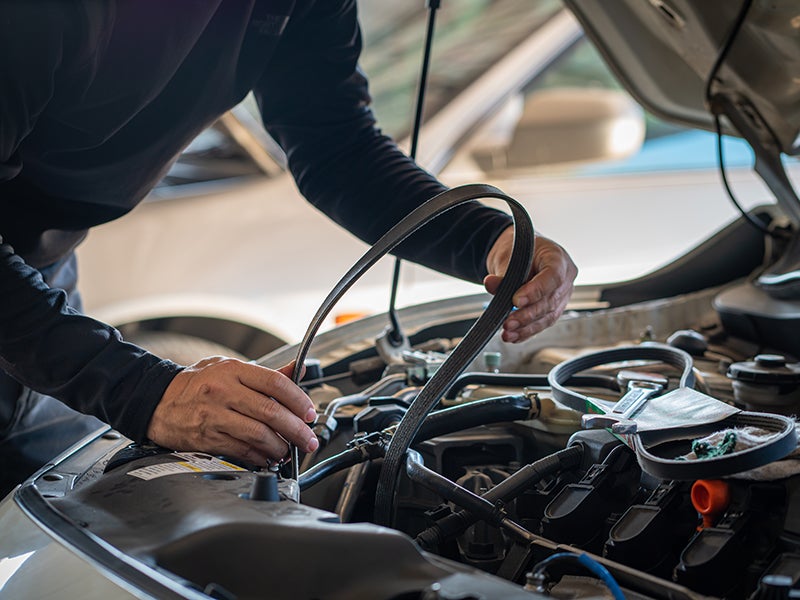
The serpentine belt is the long belt routed around several pulleys at the front of the engine. Driven by the crankshaft, it can operate accessories such as the alternator, air conditioning compressor, power steering pump, and water pump, depending on the vehicle's design. It's a wonderfully simple arrangement: one belt transferring engine rotation to several components that need it. If that belt slips, deteriorates, or breaks, those systems can stop functioning properly. That's why a serpentine belt inspection belongs naturally alongside routine Chevrolet maintenance and other checks performed during a service visit. 

The Timing Belt Has a Much Less Forgiving Job 

A timing belt isn't there to run accessories. Its job is internal engine synchronization, keeping the crankshaft and camshaft operating in the correct relationship so the valves open and close at the required time. Get that relationship wrong and you've moved beyond an irritating squeak into potentially serious engine trouble. Some engines use a timing chain rather than a belt, so don't assume your Chevrolet has one simply because you've heard the term. The owner's manual and Chevrolet maintenance schedule are the appropriate references for determining what the engine uses and what service it requires. 

Some Engines Do the Same Work with Different Hardware 

Older vehicles may use individual V-belts to operate separate accessories rather than one serpentine belt. Modern designs commonly consolidate several of those jobs into a single serpentine arrangement, but belt layouts still vary by engine and model. This is one reason generic replacement intervals aren't especially useful. Instead of assuming every Chevrolet needs identical belt service at a particular mileage, have the correct components inspected according to the maintenance guidance for your specific vehicle. A Certified Service technician can identify the belt system and check its condition during routine service. 

Belts Wear, and They Usually Leave Evidence 

Inspection is straightforward because deterioration can often be seen or heard. A serpentine belt may develop cracking, fraying, glazing, or missing material as it ages. Squealing or chirping can also justify an inspection, particularly if accompanied by another symptom such as a battery warning light or loss of air-conditioning performance. Those symptoms don't automatically prove the belt itself is responsible; tensioners, pulleys, and driven accessories are part of the system too. Proper engine diagnostics are more useful than simply replacing whichever component happens to be easiest to see. 

Timing-Belt Maintenance Isn't a Good Place for Guesswork 

Timing-belt service requirements vary by manufacturer, engine, and model, so replacement should follow the specified maintenance schedule rather than a universal mileage rule. If the vehicle develops unusual engine noises, starting problems, or changes in how it runs, schedule an inspection rather than waiting to see if the symptoms become more obvious. Belt condition can also be reviewed as part of broader preventive maintenance. An oil change or Multi-Point Vehicle Inspection is a sensible opportunity to ask about upcoming maintenance before a component reaches the end of its service life. 

Inspect the Belt Before It Makes the Decision for You 

Grand Rapids Chevrolet can help drivers with serpentine belt inspections, engine diagnostics, scheduled maintenance, oil changes, Multi-Point Vehicle Inspections, and other Chevrolet service needs. If you've noticed unusual noises, warning lights, or changes in vehicle operation, our Certified Service team can inspect the relevant systems and determine what needs attention. Check available service specials, review your Chevrolet's maintenance needs, and schedule a service appointment online before a worn component gets the final say. 
Posted in:

Related Posts

How Headlights and Taillights Work - And When to Replace Them 

How Headlights and Taillights Work - And When to Replace Them

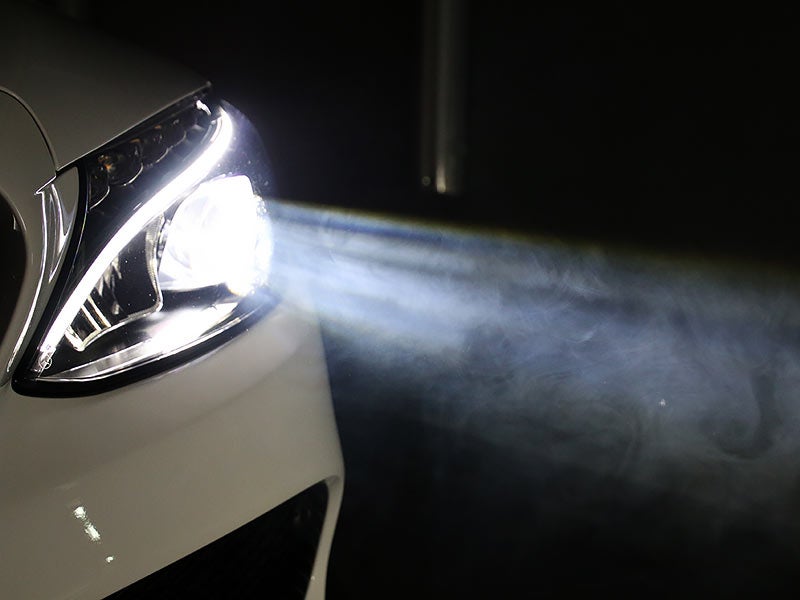
Your headlights and taillights are two of the most important safety features on your vehicle. They help you see the road ahead and make sure other drivers can see you. No matter if you drive a Chevy Silverado, Equinox, or Trax around Grand Rapids, MN, understanding how these lights work and knowing when to replace them can make a difference on the road. How Headlights Work Headlights are designed to light up the road in front of your vehicle, giving you visibility in low-light conditions. Most Chevys use either halogen, LED, or high-intensity discharge bulbs. Halogen bulbs work by passing electrical current through a tungsten filament surrounded by halogen gas, which produces light. LED headlights work differently - they use semiconductors to convert electricity directly into light, making them more energy-efficient and longer-lasting. Many newer Chevy models also have automatic headlights, which use sensors to detect ambient light levels and activate the headlights without any input from the driver. Some vehicles are equipped with daytime running lights as well, which are separate from the standard headlights and remain on whenever the vehicle is in motion. more How Taillights Work Taillights serve a different purpose than headlights. While headlights illuminate the road ahead, taillights help drivers behind you see your car. They typically come on whenever your headlights are turned on, letting other vehicles see where you are in low-visibility conditions. Brake lights, which are part of the same rear light assembly, shine brighter when you press the brake pedal. Chevys often integrate taillights, brake lights, and turn signals into a single rear housing unit. LED taillights are increasingly common because they respond faster than traditional bulbs and use less power overall. Signs It Is Time to Replace Your Headlights or Taillights Knowing when to replace your headlights or taillights is just as important as understanding how they work. Dim or yellowing headlights are a clear sign that the bulb is aging and may need to be swapped out soon. Flickering lights often point to a loose connection or a bulb that is nearing the end of its life. If one of your taillights stops working entirely, it is important to address the issue promptly. A non-functioning taillight can result in a traffic ticket and, more importantly, creates a safety hazard for you and others on the road. Drivers in Grand Rapids, MN, should pay extra attention to their lights heading into the darker winter months when visibility becomes more important. As a general rule, halogen bulbs should be inspected every two years or if you notice a change in brightness. LED lights tend to last much longer but can still fail over time. It is always a good idea to replace headlights in pairs, so both sides provide consistent, even lighting. When to Schedule Service for Your Lights Some headlight and taillight repairs are straightforward bulb swaps, but others require more attention. Condensation inside the light housing, physical damage to the lens, or a faulty wiring connection all need professional diagnosis. If your vehicle's onboard systems flag a light malfunction, scheduling a service appointment is the right move. Regular maintenance checks are a good opportunity to have your headlights and taillights inspected alongside other routine services. A trained technician can catch early signs of wear before they become bigger problems. Keep Your Lights Working at Their Best Staying on top of headlight and taillight maintenance is one of the simplest ways to keep your Chevrolet running safely. If your headlights or taillights are showing signs of wear, do not wait to have them looked at. Reach out to the service team at Grand Rapids Chevrolet to schedule an appointment and keep your vehicle road-ready year-round.

Mufflers and Exhaust Systems: How Your Chevrolet Exhaust System Works

Mufflers and Exhaust Systems: How Your Chevrolet Exhaust System Works

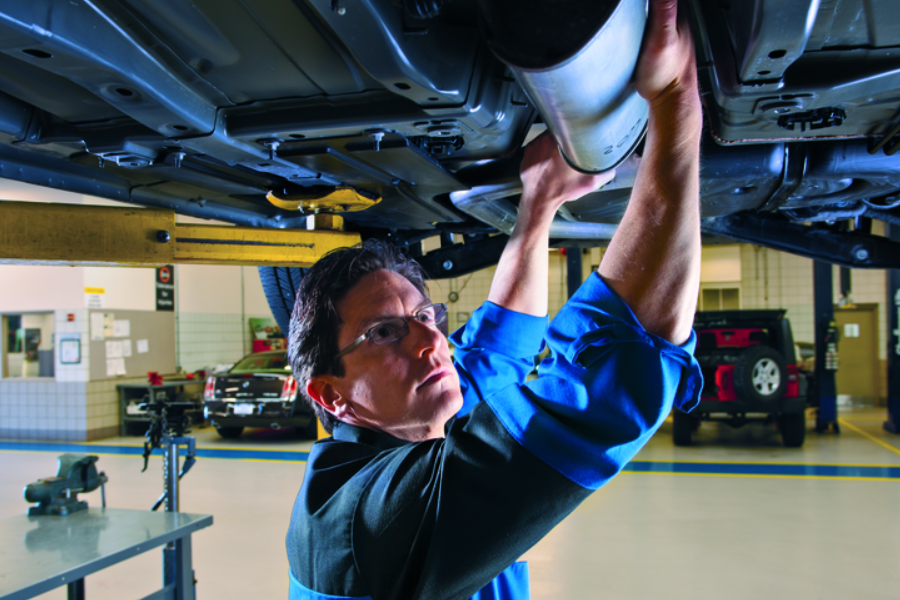
Your Chevrolet’s exhaust system does much more than control engine noise. It plays an important role in directing exhaust gases away from the engine, supporting vehicle efficiency, and helping maintain a comfortable driving experience. From the muffler to the catalytic converter and exhaust pipes, each component works together to manage emissions, reduce noise, and protect your vehicle. At Grand Rapids Chevrolet in Grand Rapids, MN, we help drivers understand essential vehicle maintenance topics and keep their Chevrolet models performing properly. Whether you drive a Silverado, Equinox, Traverse, Tahoe, or another Chevy vehicle, understanding how your muffler and exhaust system works can help you recognize potential issues before they become larger concerns. What Does a Muffler Do on a Chevrolet? The muffler is one of the most recognizable components of a vehicle’s exhaust system. Its primary purpose is to reduce the sound produced by exhaust gases leaving the engine. Without a properly functioning muffler, your Chevrolet may produce louder-than-normal exhaust sounds and create an uncomfortable driving experience. more A muffler works by using internal chambers and materials designed to reduce sound waves while allowing exhaust gases to continue flowing through the system. A properly working muffler helps: Reduce engine exhaust noise Maintain a quieter cabin environment Support proper exhaust flow Improve overall driving comfort While the muffler does not directly create engine power, it is an important part of maintaining a balanced exhaust system. How Does a Chevrolet Exhaust System Work? Your Chevrolet exhaust system is designed to move gases produced during combustion away from the engine and passenger compartment. It also helps process certain emissions before they leave the vehicle. The exhaust system includes several important components: Exhaust manifold that collects gases from the engine Catalytic converter that helps reduce harmful emissions Exhaust pipes that move gases through the system Muffler that reduces sound levels Exhaust tips that release processed gases Each component has a specific role. A problem with one part of the system can affect performance, efficiency, and overall vehicle operation. Signs Your Chevrolet May Need Exhaust Service Exhaust issues often develop gradually, making it important to recognize early warning signs. Unusual sounds, smells, or changes in performance may indicate that your vehicle needs inspection. Common exhaust system warning signs include: Louder-than-normal engine sounds Rattling noises underneath the vehicle Visible rust or damage on exhaust components Reduced fuel efficiency Strong exhaust odors Check engine light activation Ignoring exhaust problems may allow small issues to develop into more significant repairs. Scheduling an inspection when you notice changes can help protect your vehicle. Why Does My Car Need a Catalytic Converter? The catalytic converter is a major part of the exhaust system. It helps convert certain engine-produced emissions into less harmful gases before they exit the vehicle. A properly functioning catalytic converter supports: Emission control system operation Proper exhaust performance Compliance with emissions standards Efficient vehicle operation Because the catalytic converter works under high temperatures, it can experience wear over time. Warning signs of catalytic converter concerns may include reduced acceleration, unusual smells, or an illuminated check engine light. What Causes Exhaust System Problems? Several factors can contribute to muffler and exhaust system damage. Vehicles operating in areas with harsh weather conditions may experience additional exposure to moisture, road salt, and temperature changes. Common causes of exhaust problems include: Corrosion from moisture and road conditions Physical damage from road debris Loose exhaust connections Normal wear over time Damaged exhaust hangers or mounting components Regular vehicle inspections can help identify worn components before they affect your Chevrolet’s performance. How Long Does an Exhaust System Last? The lifespan of an exhaust system depends on several factors, including driving habits, climate conditions, and vehicle use. Vehicles driven in areas with snow, ice, and road treatments may experience more exposure to corrosion. Factors that influence exhaust system longevity include: Local weather conditions Driving frequency Road conditions Maintenance history Quality of replacement components Routine inspections allow technicians to evaluate the condition of exhaust components and recommend service when needed. Can Exhaust Problems Affect Fuel Efficiency? A damaged exhaust system can sometimes affect how efficiently your Chevrolet operates. The engine and exhaust systems work together, and problems with exhaust flow or emissions components may influence vehicle performance. Possible effects of exhaust concerns include: Reduced engine performance Decreased fuel efficiency Poor acceleration Increased emissions Maintaining a healthy exhaust system helps your Chevrolet continue operating as designed. When Should You Schedule Service? If you notice changes in your vehicle’s sound, performance, or exhaust behavior, it is a good time to schedule an inspection. Certified technicians can evaluate the entire exhaust system and identify areas that may need attention. Consider scheduling exhaust service if you experience: Persistent exhaust noises A noticeable decrease in performance Warning lights on the dashboard Unusual odors inside or around the vehicle Visible exhaust damage Addressing exhaust concerns early can help prevent additional issues and keep your Chevrolet operating reliably. Chevrolet Service at Grand Rapids Chevrolet Your muffler and exhaust system play an important role in your Chevrolet’s performance, comfort, and emissions control. Regular inspections help ensure these components continue working properly and allow you to address concerns before they become more complicated. At Grand Rapids Chevrolet in Grand Rapids, MN, our service team is ready to assist with exhaust inspections, maintenance, and repairs for your Chevrolet. Our dealership provides professional service support for drivers looking to keep their vehicles in dependable condition. Whether you need help diagnosing an exhaust noise, checking a muffler issue, or maintaining your Chevrolet, schedule your next service appointment with our team.

Chevrolet in Pop Culture: The Cars That Became Part of the Cast

Chevrolet in Pop Culture: Famous Models on Screen 

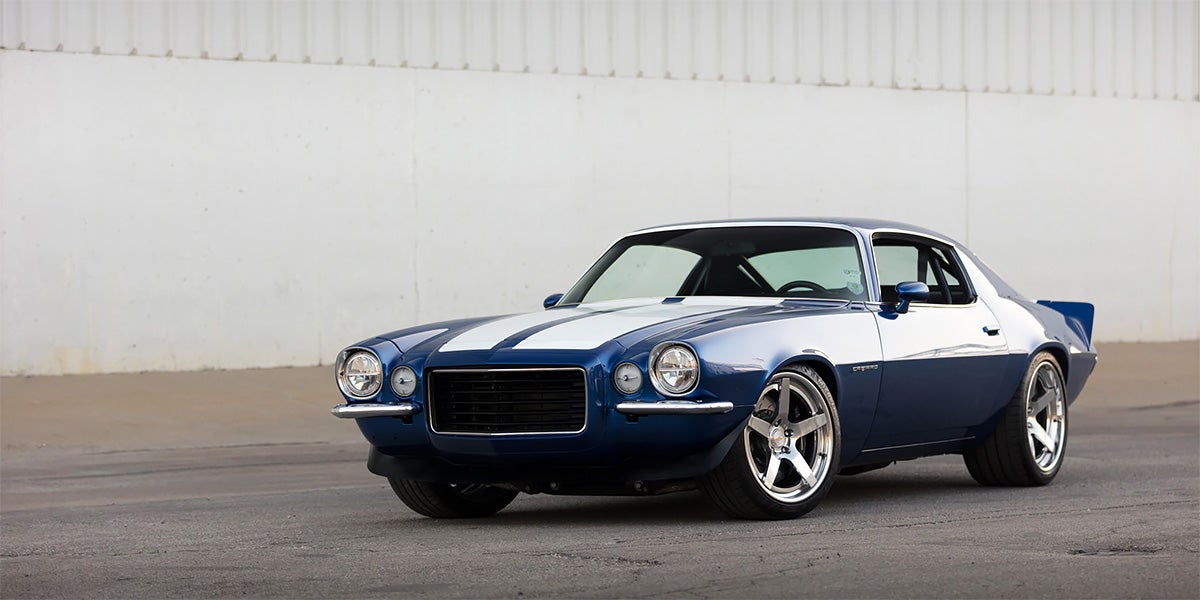
Chevrolet in Pop Culture: The Cars That Became Part of the Cast Some cars appear in films simply because a character needs transportation. Others become part of the story. Chevrolet has produced an unusual number of the latter, with Camaros, Impalas, Corvettes, and El Caminos appearing across film and television for decades. Sometimes they're heroes, sometimes they're background machinery, and occasionally they become nearly as recognizable as the actors driving them. For Chevrolet fans around Grand Rapids, MN, here is an entertaining look at how certain models escaped the automotive world and became pieces of popular culture. Bumblebee Made the Camaro Difficult to Forget The Chevrolet Camaro's connection to the Transformers films is perhaps the obvious modern example. Bumblebee appeared as a yellow Camaro in the live-action film franchise, introducing the car to an enormous audience that may not have cared about displacement, suspension geometry, or any of the other things car enthusiasts normally discuss. It worked because the Camaro already had the necessary visual presence. Long bonnet, low roof, broad stance—it looked dramatic before anyone added the enormous transforming robot. That association became strong enough that, for a generation of viewers, a yellow Camaro can immediately bring Bumblebee to mind. The Impala Managed to Become a Character Television arguably gave Chevrolet an even stronger cultural association through Supernatural. The Winchester brothers' black 1967 Chevrolet Impala appeared throughout the show's 15-season run and became closely connected with the series itself. Known as "Baby," the car wasn't treated merely as transport between locations. Its cabin, boot, weapons compartment, and history with the characters repeatedly became parts of the story. That's an impressive second career for a full-size Chevrolet designed decades before the program existed, and it demonstrates why older cars work so well on screen: their shapes, sounds, and interiors can contribute something distinctive to a scene. The El Camino Is Difficult to Mistake for Anything Else Then there's the Chevrolet El Camino, a vehicle created by asking a question along the lines of, "What if we made a car and then removed half of it to install a pickup bed?" The result occupied a wonderfully strange space between passenger car and truck, which has helped make the El Camino instantly recognizable in films and television. It has appeared across dramas, comedies, and period productions because there simply aren't many vehicles with the same silhouette. Put one in the background and enthusiasts notice it. Put one in the foreground and it immediately tells the audience something about the person who chose to drive it. Corvettes and Impalas Became Cultural Objects Beyond Hollywood Chevrolet's influence extends well beyond scripted entertainment. Corvettes and classic Impalas have become fixtures at enthusiast gatherings, collector auctions, custom-car events, and cruise nights. The Corvette brings decades of American sports-car history, while generations of Impala have been embraced by different corners of car culture, including the custom and lowrider communities. That's part of what gives these cars staying power. They aren't famous solely because a studio placed them in front of a camera; many already had enthusiast communities and recognizable identities long before their most memorable screen appearances. Modern Chevrolets Still Carry Familiar Names Today's Chevrolet lineup looks considerably different from the cars that established many of these pop-culture connections. The Camaro is no longer part of the current new-vehicle range, but the Corvette Stingray continues the sports-car story, while models such as the Chevrolet Silverado 1500 and Chevrolet Equinox represent very different sides of the modern brand. For enthusiasts interested in the history behind the badge, exploring Chevrolet model research or comparing today's 2026 Chevrolet inventory provides an interesting contrast between the vehicles people remember from screens and the ones currently on the road. See the Current Chevrolet Lineup in Grand Rapids A yellow Camaro turning into Bumblebee and a black 1967 Impala carrying the Winchester brothers helped give Chevrolet some memorable screen time, but those appearances are only part of a much larger automotive history. Drivers around Grand Rapids, MN, can visit Grand Rapids Chevrolet to explore new Chevrolet vehicles, compare current Chevrolet SUVs and trucks, learn more about available Corvette models, and schedule a test drive online to experience the modern side of a brand that's spent plenty of time in the spotlight.