Blog / grand rapids oil change

Blog

All grand rapids oil change GRAND RAPIDS Chevrolet Dealer GRAND RAPIDS Chevrolet Service grand rapids suv 2026 chevrolet suv chevrolet trucks Grand Rapids Chevrolet GMC Service Buyers FAQs chevrolet silverado 1500 grand rapids gmc dealer 2025 sierra 2026 Equinox 2026 silverado 2026 Traverse gmc sierra gmc trucks Service silverado 1500 2025 silverado 2026 Suburban 2026 Tahoe Exhaust gmc yukon GRAND RAPIDS Used Cars Headlights
Oil Filters FAQ: What They Are, How They Work, and Why They Matter 

Oil Filters FAQ: What They Are, How They Work, and Why They Matter

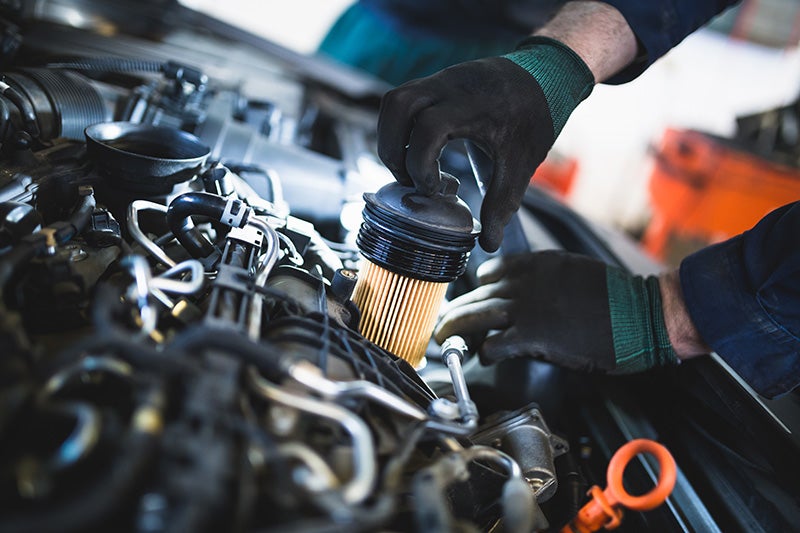
Oil filters are not often thought about. No one brags about them at a stoplight. But they do the kind of work that keeps everything else from falling apart. Understanding how an oil filter works is less about curiosity and more about avoiding problems that get expensive fast. It is one of the simplest parts on the vehicle. It is also one of the easiest to neglect. What Is an Oil Filter? An oil filter is exactly what it sounds like. It cleans the oil that moves through your engine. That oil picks up debris as it circulates. Tiny metal particles, dirt, and sludge all end up in the system over time. more The filter catches that material before it can keep moving through the engine. Without it, those particles would continue circulating, slowly grinding away at internal components. How Do Oil Filters Work? Oil flows through the filter under pressure. Inside, a pleated material, usually paper or a synthetic blend, traps contaminants while allowing clean oil to pass through. Most filters also include a bypass valve. If the filter becomes clogged, that valve opens to keep oil moving. It is not ideal, but it is better than cutting off flow entirely. Why Are Oil Filters Important? Engines rely on clean oil to reduce friction and manage heat. When contaminants build up, that balance starts to shift. A functioning oil filter helps: Extend engine life Maintain fuel efficiency Keep performance consistent over time Ignore it, and the consequences tend to show up slowly, then all at once. Increased wear, reduced efficiency, and eventually damage that could have been avoided with routine maintenance. How Often Should You Replace Your Oil Filter? In most cases, oil filters should be replaced every time the oil is changed. For many vehicles, that falls somewhere between 3,000 and 5,000 miles depending on oil type and driving conditions. Short trips, cold climates, and frequent stop-and-go driving can shorten that interval. In northern Minnesota, those conditions are not unusual. If there is any doubt, the service team at Grand Rapids Chevrolet GMC can point you in the right direction and keep things on schedule. What Happens If You Don’t Replace Your Oil Filter? An old filter does not just stop working. It becomes an active restriction. Oil flow can decrease. Contaminants can bypass the filter entirely. Internal components begin to wear faster than they should. Left long enough, the damage becomes serious. In some cases, it leads to engine failure. Not dramatic at first. Just gradual deterioration until something gives out. Routine maintenance is necessary. Replacing an oil filter on time keeps the engine clean, properly lubricated, and operating as it should. At Grand Rapids Chevrolet in Grand Rapids, MN, express oil change services include the details that matter. Fresh oil, a new filter, and a closer look at the condition of your vehicle so small issues stay small.

Quick Oil Changes That Don’t Feel Like a Mini Expedition 

Quick Oil Change That Doesn’t Feel Like a Mini Expedition

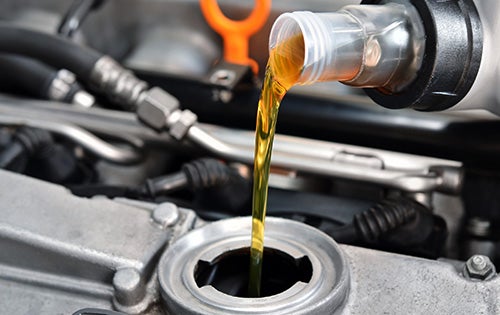
Have you ever gotten in your car, noticed the oil light is on, and you just don't have the time to wait all day for an oil change? The first thing you think about when you get in your vehicle is not about the oil. It’s not even the second or fifth. Suddenly every engine noise sounds dramatic. Every stoplight feels like a mechanical judgment. Fortunately, Grand Rapids Chevrolet GMC has created a process that removes most of the suspense — and a surprising amount of the waiting. Because Your Engine Prefers Fresh Oil Over Existential Anxiety Routine oil service might not sound glamorous, but it quietly keeps your vehicle from staging a very expensive protest. Fresh oil helps reduce friction, regulate temperature, and prevent the kind of sludge buildup that sounds like a dessert topping but absolutely is not. more A quick visit for an oil change can help support: Smoother engine operation, which means fewer mysterious sounds you attempt to ignore Improved fuel efficiency, which your wallet tends to appreciate immediately Longer engine life, allowing you to postpone the emotional experience of major repairs Express Oil Change Service That Respects Your Schedule (and Your Sanity) The Express Service team in Grand Rapids understands that people have jobs, errands, pets, children, and occasionally hobbies. That’s why quick oil changes are designed to be efficient without feeling rushed. Factory-trained technicians use OEM-approved oil and filters tailored to your specific Chevrolet or GMC model. Translation: your Silverado, Traverse, or Equinox gets proper care while you remain free to continue your day without reorganizing your entire life around a maintenance visit. Oil Change Coupons: Because Saving Money Is Always Stylish Oil change coupons are available regularly, which is wonderful news for anyone who enjoys keeping their vehicle healthy and their budget reasonably calm. Checking current service specials online can turn a routine maintenance stop into a mildly satisfying financial victory. A Little More Than Just Fresh Oil While your oil is being replaced, technicians can perform a multi-point inspection to spot small issues before they evolve into dramatic roadside stories you’ll retell for years. Catching minor concerns early often helps drivers avoid inconvenient breakdowns and surprise expenses. Keep Things Running Smoothly in Grand Rapids If your maintenance reminder light has begun its passive-aggressive blinking routine, it may be time to act. Visit Grand Rapids Chevrolet GMC for a quick oil change experience that’s fast, reliable, and refreshingly low on hassle.

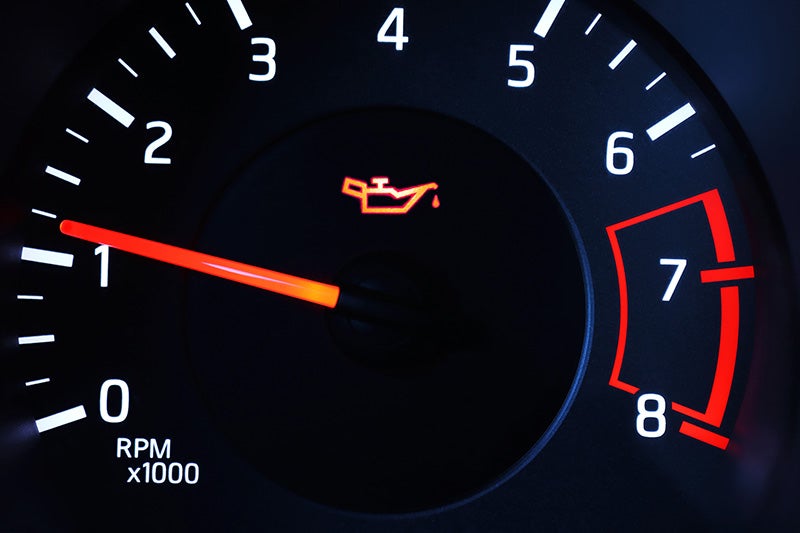
A dashboard with the oil light on - Is an Oil Leak Serious?

Is an Oil Leak Serious? Tips & Facts for Every Driver

Oil leaks are one of those issues that may appear minor at first, but they can escalate quickly if not addressed. If you’ve seen a small puddle under your vehicle or noticed oil spots along your driveway, you might be asking yourself, “Is an oil leak serious?” The reality is that an oil leak can become a major problem when ignored. Here’s what drivers in Grand Rapids, MN should know about the causes, risks, and steps to take when dealing with this common automotive concern. What Causes an Oil Leak? Oil leaks typically develop as components wear over time. Common sources include aging gaskets, worn seals, or a loose or damaged drain plug. Parts such as the valve cover gasket or oil pan gasket can deteriorate due to heat cycles, age, or prolonged exposure to engine pressure. more If oil change intervals are extended or the wrong oil viscosity is used, components may wear prematurely. In Grand Rapids, MN, dramatic temperature swings throughout the year can also contribute to gasket and seal expansion and contraction, increasing the likelihood of leaks forming. Regular inspections and proper maintenance can help identify small issues before they become larger repairs. Why Is an Oil Leak Serious? When left unaddressed, an oil leak can lead to several significant issues: Engine Damage: Oil is essential for lubricating internal engine components. When oil levels drop, friction increases, temperatures rise, and engine damage can occur—including severe internal failures. Fire Risks: Oil that leaks onto hot areas of the engine, such as the exhaust manifold, can create a fire hazard. Environmental Concerns: Even minimal oil leakage can contaminate soil and water sources, making prompt repairs important for environmental protection. Higher Repair Costs: A small gasket leak can turn into damage to bearings, pumps, or other internal parts if ignored, resulting in much more expensive repairs down the line. These risks make prompt diagnosis and repair crucial for protecting both the vehicle and the driver. How to Spot and Address an Oil Leak Identifying an oil leak early can prevent major damage. Drivers should look for: Visible Puddles: Fresh engine oil typically appears light brown or amber. Older oil may look dark or black. Burning Smell: An oily or burnt odor can indicate oil contacting hot metal surfaces. Low Oil Level or Warning Light: Modern vehicles may trigger an oil pressure or oil level warning if the system detects a problem. Once you suspect a leak, professional inspection is the best course of action. Shops like Grand Rapids Chevrolet GMC have certified technicians who can accurately identify the source—whether it’s a gasket, seal, line, or plug—and perform the appropriate repair. Proper diagnosis ensures the leak is corrected and the vehicle continues operating safely. Preventing Future Leaks Preventive maintenance is the most effective way to avoid oil leaks. Consistent oil changes using the manufacturer-recommended oil type help maintain seal integrity and reduce engine wear. Routine inspections during seasonal maintenance are especially important for drivers in Grand Rapids, MN due to the range of weather conditions that can affect engine components. Service centers such as Grand Rapids Chevrolet GMC can assist with routine upkeep and identify early signs of wear before leaks develop. So, is an oil leak serious? Yes. Ignoring one can result in engine damage, safety hazards, environmental harm, and costly repairs. Understanding the causes, staying alert to early warning signs, and seeking timely service can help protect both your vehicle and your peace of mind. For drivers in Grand Rapids, MN, professional assistance is available Grand Rapids Chevrolet GMC to keep your vehicle running reliably and safely.

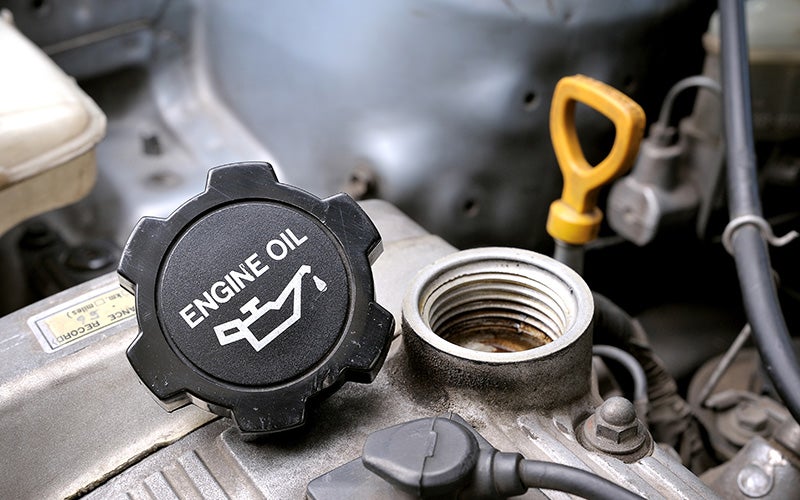
An engine oil cap resting on the engine - Oil Changes

Oil Changes: Everything You’ve Ever Wanted to Know

Oil changes are one of the most crucial aspects of vehicle maintenance, ensuring your car or truck runs smoothly and lasts for years. At Grand Rapids Chevrolet GMC in Grand Rapids, MN, we understand how vital it is to keep up with oil changes to preserve the health of your engine. In this blog, we’ll cover everything you need to know about oil changes, from why they’re necessary to when to get one and the benefits of staying on top of this routine service. Why Are Oil Changes So Important? Motor oil plays a critical role in the performance of your vehicle's engine. It serves several key functions, including: more Lubricating Engine Components: Oil reduces friction between moving parts, preventing wear and tear on the engine. Without proper lubrication, metal parts in the engine would rub against each other, causing damage that could lead to costly repairs. Cooling the Engine: As your engine runs, it generates heat. Oil helps carry heat away from critical engine components, preventing overheating that could result in engine failure. Cleaning the Engine: Over time, dirt and debris accumulate in the engine. Oil helps to clean the engine by trapping these particles and carrying them to the oil filter, where they’re removed from the system. Sealing and Protecting: Oil also forms a seal between the pistons, rings, and cylinder walls, helping to maintain compression and prevent leaks. Regular oil changes ensure that your engine remains properly lubricated, cooled, and cleaned, which helps extend its lifespan and maintain optimal performance. How Often Should You Change Your Oil? The frequency of oil changes depends on several factors, including the make and model of your vehicle, the type of oil used, and your driving habits. However, the general guideline is: Conventional Oil: If your vehicle uses conventional motor oil, it’s typically recommended to change the oil every 3,000 to 5,000 miles or every three to six months, whichever comes first. Synthetic Oil: Synthetic oils tend to last longer than conventional oils and can be replaced every 7,500 to 10,000 miles. Some newer vehicles with synthetic oil can even go as long as 15,000 miles between oil changes. It’s essential to follow the specific recommendations outlined in your vehicle’s owner’s manual, as manufacturers may suggest different intervals based on the engine's needs. Additionally, if you frequently drive in severe conditions—such as stop-and-go traffic, extreme temperatures, or towing heavy loads—your oil may need to be changed more often. Signs That Your Vehicle Needs an Oil Change While the mileage is a good general indicator, there are other signs that may indicate it’s time for an oil change. These include: Dark or Dirty Oil: Fresh oil is typically golden or amber in color. If you notice the oil has turned dark brown or black, it could be time for a change. Dark oil indicates that it has absorbed dirt and debris from the engine. Unusual Engine Noise: If your engine starts making knocking or ticking sounds, it may be a sign that the oil is no longer providing sufficient lubrication. Low or dirty oil can cause friction between engine parts, leading to abnormal sounds. Oil Smell: If you smell oil inside your vehicle, it could be leaking or burning. Even a small leak can lead to a low oil level, which means your engine isn’t being properly lubricated. Check Engine Light: Some vehicles have sensors that monitor oil levels and quality. If the check engine light comes on and you suspect it’s due to the oil, schedule an oil change right away. Exhaust Smoke: If you notice blue or gray smoke coming from your exhaust pipe, it may indicate that oil is burning in the engine. This could be a sign of an oil leak or other engine issues that require attention. What Happens If You Don’t Change Your Oil? Neglecting regular oil changes can have serious consequences for your vehicle. Over time, oil loses its effectiveness in lubricating the engine and can even become thick and sludgy. Without proper lubrication, the engine components begin to rub against each other, which can cause excessive wear, overheating, and, eventually, engine failure. If you continue to drive without changing the oil, you may also risk clogged oil passages and a damaged oil pump, which can lead to more extensive and costly repairs. In severe cases, failing to change the oil may result in a complete engine breakdown, forcing you to replace the engine altogether. Choosing the Right Oil for Your Vehicle When it comes to selecting the right oil for your car, it’s important to follow your manufacturer’s specifications. There are two primary types of motor oil: conventional and synthetic. Conventional Oil: This is the most commonly used oil and works well for standard driving conditions. It’s typically the most affordable option but needs to be changed more frequently than synthetic oil. Synthetic Oil: Synthetic oils are engineered to provide superior performance, offering better protection for the engine at higher temperatures and improving fuel efficiency. While they are more expensive, they last longer and are often recommended for newer engines or high-performance vehicles. Blended Oils: A combination of conventional and synthetic oils, blended oils offer a balance of performance and price. These oils can be a good choice if you're looking for something in between conventional and fully synthetic oils. Choosing the right oil for your vehicle ensures that your engine is protected and runs efficiently, which can help prolong its lifespan. The Process of Oil Changes Getting an oil change is a straightforward process, but it requires the expertise of a trained technician to do it correctly. Here’s what typically happens during an oil change: Draining the Old Oil: The technician will remove the drain plug and allow the old oil to drain completely. This ensures that any contaminants or debris are removed from the engine. Replacing the Oil Filter: The oil filter is responsible for trapping dirt and debris. During an oil change, the filter is replaced to ensure the new oil stays clean. Adding Fresh Oil: Once the old oil is drained and the filter is replaced, fresh oil is added to the engine, meeting the correct specifications for your vehicle. Checking Other Fluids: Many service centers will also check other essential fluids, such as transmission fluid, brake fluid, and coolant, as part of the oil change service. Inspecting the Vehicle: In some cases, the technician may perform a basic inspection of the vehicle, checking for leaks, tire pressure, and overall vehicle health. Benefits of Regular Oil Changes Staying on top of your oil changes has many advantages for both your vehicle and your wallet. Some of the key benefits include: Improved Engine Performance: Regular oil changes ensure that the engine remains properly lubricated, which can enhance overall performance and prevent potential issues from arising. Better Fuel Efficiency: Clean oil helps the engine run more efficiently, which can lead to better fuel economy. This means fewer trips to the pump and more savings over time. Extended Engine Life: By keeping the engine properly lubricated, you’re protecting the engine from unnecessary wear, helping it to last longer and operate smoothly for years to come. Reduced Repair Costs: Regular oil changes prevent engine components from deteriorating prematurely, saving you money on costly repairs and replacements. At Grand Rapids Chevrolet in Grand Rapids, MN, we’re committed to keeping your vehicle running at its best. Our expert technicians are here to help with all your oil change needs, providing quick, professional service that ensures your engine stays healthy for the long haul. If it’s time for an oil change, visit us today and let our team help you keep your vehicle in top condition.


Contact Us

Fill out this form below and we'll contact you shortly
*Required Fields