





Your headlights and taillights are two of the most important safety features on your vehicle. They help you see the road ahead and make sure other drivers can see you. No matter if you drive a Chevy Silverado, Equinox, or Trax around Grand Rapids, MN, understanding how these lights work and knowing when to replace them can make a difference on the road.
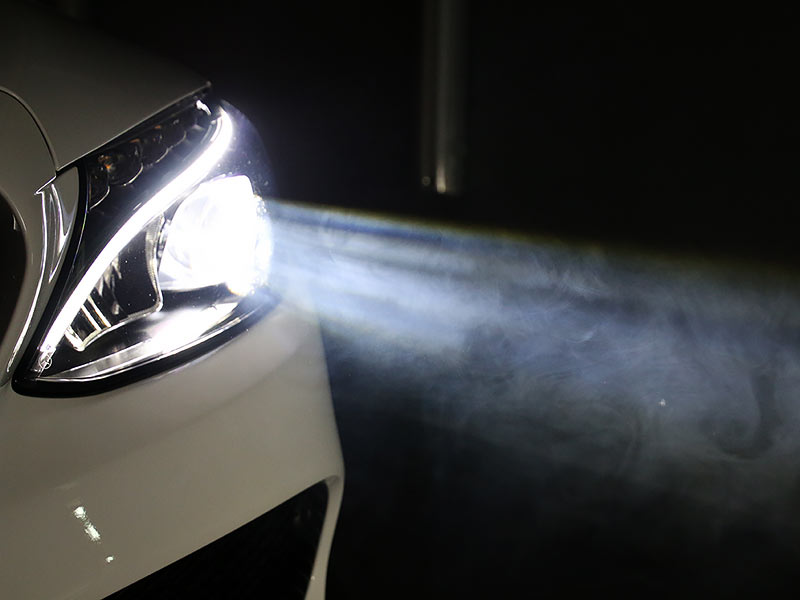
How Headlights Work
Headlights are designed to light up the road in front of your vehicle, giving you visibility in low-light conditions. Most Chevys use either halogen, LED, or high-intensity discharge bulbs. Halogen bulbs work by passing electrical current through a tungsten filament surrounded by halogen gas, which produces light. LED headlights work differently – they use semiconductors to convert electricity directly into light, making them more energy-efficient and longer-lasting.
Many newer Chevy models also have automatic headlights, which use sensors to detect ambient light levels and activate the headlights without any input from the driver. Some vehicles are equipped with daytime running lights as well, which are separate from the standard headlights and remain on whenever the vehicle is in motion.
How Taillights Work
Taillights serve a different purpose than headlights. While headlights illuminate the road ahead, taillights help drivers behind you see your car. They typically come on whenever your headlights are turned on, letting other vehicles see where you are in low-visibility conditions. Brake lights, which are part of the same rear light assembly, shine brighter when you press the brake pedal.
Chevys often integrate taillights, brake lights, and turn signals into a single rear housing unit. LED taillights are increasingly common because they respond faster than traditional bulbs and use less power overall.
Signs It Is Time to Replace Your Headlights or Taillights
Knowing when to replace your headlights or taillights is just as important as understanding how they work. Dim or yellowing headlights are a clear sign that the bulb is aging and may need to be swapped out soon. Flickering lights often point to a loose connection or a bulb that is nearing the end of its life.
If one of your taillights stops working entirely, it is important to address the issue promptly. A non-functioning taillight can result in a traffic ticket and, more importantly, creates a safety hazard for you and others on the road. Drivers in Grand Rapids, MN, should pay extra attention to their lights heading into the darker winter months when visibility becomes more important.
As a general rule, halogen bulbs should be inspected every two years or if you notice a change in brightness. LED lights tend to last much longer but can still fail over time. It is always a good idea to replace headlights in pairs, so both sides provide consistent, even lighting.
When to Schedule Service for Your Lights
Some headlight and taillight repairs are straightforward bulb swaps, but others require more attention. Condensation inside the light housing, physical damage to the lens, or a faulty wiring connection all need professional diagnosis. If your vehicle’s onboard systems flag a light malfunction, scheduling a service appointment is the right move.
Regular maintenance checks are a good opportunity to have your headlights and taillights inspected alongside other routine services. A trained technician can catch early signs of wear before they become bigger problems.
Keep Your Lights Working at Their Best
Staying on top of headlight and taillight maintenance is one of the simplest ways to keep your Chevrolet running safely. If your headlights or taillights are showing signs of wear, do not wait to have them looked at. Reach out to the service team at Grand Rapids Chevrolet to schedule an appointment and keep your vehicle road-ready year-round.
Connect with us


- 2025 sierra
- 2025 silverado
- 2026
- 2026 Equinox
- 2026 silverado
- 2026 Suburban
- 2026 Tahoe
- 2026 Traverse
- Buyers FAQs
- chevrolet silverado 1500
- chevrolet suv
- chevrolet trucks
- Exhaust
- gmc sierra
- gmc trucks
- gmc yukon
- GRAND RAPIDS Chevrolet Dealer
- Grand Rapids Chevrolet GMC Service
- GRAND RAPIDS Chevrolet Service
- grand rapids gmc dealer
- grand rapids oil change
- grand rapids suv
- GRAND RAPIDS Used Cars
- Headlights
- Service
- silverado 1500