




Blog / Service

Blog

All Service GRAND RAPIDS Chevrolet Dealer GRAND RAPIDS Chevrolet Service grand rapids suv 2026 chevrolet suv chevrolet trucks Grand Rapids Chevrolet GMC Service grand rapids oil change Buyers FAQs chevrolet silverado 1500 grand rapids gmc dealer 2025 sierra 2026 Equinox 2026 silverado 2026 Traverse gmc sierra gmc trucks silverado 1500 2025 silverado 2026 Suburban 2026 Tahoe Exhaust gmc yukon GRAND RAPIDS Used Cars Headlights
How Headlights and Taillights Work - And When to Replace Them 

How Headlights and Taillights Work - And When to Replace Them

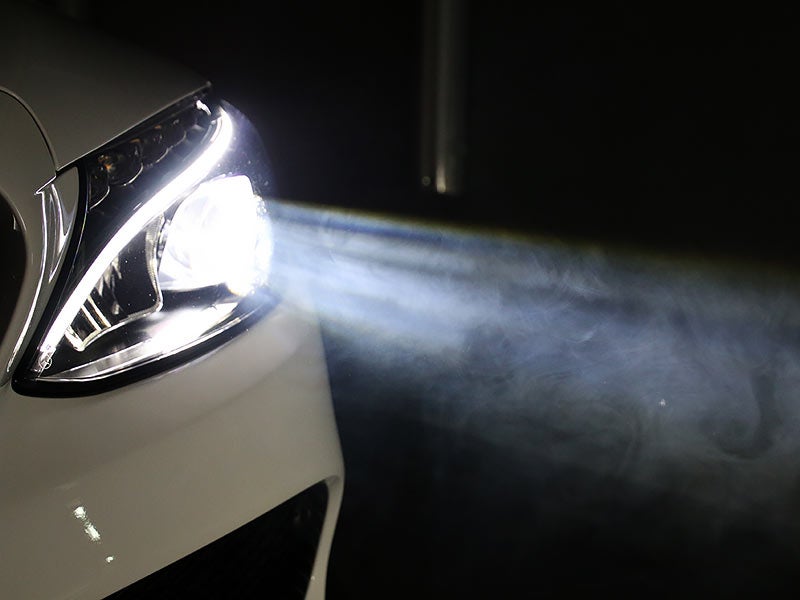
Your headlights and taillights are two of the most important safety features on your vehicle. They help you see the road ahead and make sure other drivers can see you. No matter if you drive a Chevy Silverado, Equinox, or Trax around Grand Rapids, MN, understanding how these lights work and knowing when to replace them can make a difference on the road. How Headlights Work Headlights are designed to light up the road in front of your vehicle, giving you visibility in low-light conditions. Most Chevys use either halogen, LED, or high-intensity discharge bulbs. Halogen bulbs work by passing electrical current through a tungsten filament surrounded by halogen gas, which produces light. LED headlights work differently - they use semiconductors to convert electricity directly into light, making them more energy-efficient and longer-lasting. Many newer Chevy models also have automatic headlights, which use sensors to detect ambient light levels and activate the headlights without any input from the driver. Some vehicles are equipped with daytime running lights as well, which are separate from the standard headlights and remain on whenever the vehicle is in motion. more How Taillights Work Taillights serve a different purpose than headlights. While headlights illuminate the road ahead, taillights help drivers behind you see your car. They typically come on whenever your headlights are turned on, letting other vehicles see where you are in low-visibility conditions. Brake lights, which are part of the same rear light assembly, shine brighter when you press the brake pedal. Chevys often integrate taillights, brake lights, and turn signals into a single rear housing unit. LED taillights are increasingly common because they respond faster than traditional bulbs and use less power overall. Signs It Is Time to Replace Your Headlights or Taillights Knowing when to replace your headlights or taillights is just as important as understanding how they work. Dim or yellowing headlights are a clear sign that the bulb is aging and may need to be swapped out soon. Flickering lights often point to a loose connection or a bulb that is nearing the end of its life. If one of your taillights stops working entirely, it is important to address the issue promptly. A non-functioning taillight can result in a traffic ticket and, more importantly, creates a safety hazard for you and others on the road. Drivers in Grand Rapids, MN, should pay extra attention to their lights heading into the darker winter months when visibility becomes more important. As a general rule, halogen bulbs should be inspected every two years or if you notice a change in brightness. LED lights tend to last much longer but can still fail over time. It is always a good idea to replace headlights in pairs, so both sides provide consistent, even lighting. When to Schedule Service for Your Lights Some headlight and taillight repairs are straightforward bulb swaps, but others require more attention. Condensation inside the light housing, physical damage to the lens, or a faulty wiring connection all need professional diagnosis. If your vehicle's onboard systems flag a light malfunction, scheduling a service appointment is the right move. Regular maintenance checks are a good opportunity to have your headlights and taillights inspected alongside other routine services. A trained technician can catch early signs of wear before they become bigger problems. Keep Your Lights Working at Their Best Staying on top of headlight and taillight maintenance is one of the simplest ways to keep your Chevrolet running safely. If your headlights or taillights are showing signs of wear, do not wait to have them looked at. Reach out to the service team at Grand Rapids Chevrolet to schedule an appointment and keep your vehicle road-ready year-round.

Mufflers and Exhaust Systems: How Your Chevrolet Exhaust System Works

Mufflers and Exhaust Systems: How Your Chevrolet Exhaust System Works

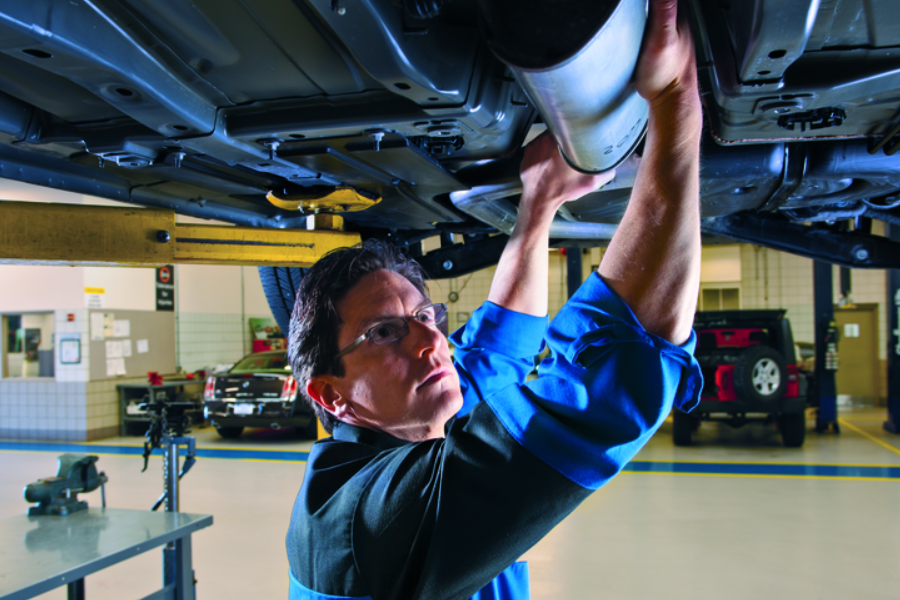
Your Chevrolet’s exhaust system does much more than control engine noise. It plays an important role in directing exhaust gases away from the engine, supporting vehicle efficiency, and helping maintain a comfortable driving experience. From the muffler to the catalytic converter and exhaust pipes, each component works together to manage emissions, reduce noise, and protect your vehicle. At Grand Rapids Chevrolet in Grand Rapids, MN, we help drivers understand essential vehicle maintenance topics and keep their Chevrolet models performing properly. Whether you drive a Silverado, Equinox, Traverse, Tahoe, or another Chevy vehicle, understanding how your muffler and exhaust system works can help you recognize potential issues before they become larger concerns. What Does a Muffler Do on a Chevrolet? The muffler is one of the most recognizable components of a vehicle’s exhaust system. Its primary purpose is to reduce the sound produced by exhaust gases leaving the engine. Without a properly functioning muffler, your Chevrolet may produce louder-than-normal exhaust sounds and create an uncomfortable driving experience. more A muffler works by using internal chambers and materials designed to reduce sound waves while allowing exhaust gases to continue flowing through the system. A properly working muffler helps: Reduce engine exhaust noise Maintain a quieter cabin environment Support proper exhaust flow Improve overall driving comfort While the muffler does not directly create engine power, it is an important part of maintaining a balanced exhaust system. How Does a Chevrolet Exhaust System Work? Your Chevrolet exhaust system is designed to move gases produced during combustion away from the engine and passenger compartment. It also helps process certain emissions before they leave the vehicle. The exhaust system includes several important components: Exhaust manifold that collects gases from the engine Catalytic converter that helps reduce harmful emissions Exhaust pipes that move gases through the system Muffler that reduces sound levels Exhaust tips that release processed gases Each component has a specific role. A problem with one part of the system can affect performance, efficiency, and overall vehicle operation. Signs Your Chevrolet May Need Exhaust Service Exhaust issues often develop gradually, making it important to recognize early warning signs. Unusual sounds, smells, or changes in performance may indicate that your vehicle needs inspection. Common exhaust system warning signs include: Louder-than-normal engine sounds Rattling noises underneath the vehicle Visible rust or damage on exhaust components Reduced fuel efficiency Strong exhaust odors Check engine light activation Ignoring exhaust problems may allow small issues to develop into more significant repairs. Scheduling an inspection when you notice changes can help protect your vehicle. Why Does My Car Need a Catalytic Converter? The catalytic converter is a major part of the exhaust system. It helps convert certain engine-produced emissions into less harmful gases before they exit the vehicle. A properly functioning catalytic converter supports: Emission control system operation Proper exhaust performance Compliance with emissions standards Efficient vehicle operation Because the catalytic converter works under high temperatures, it can experience wear over time. Warning signs of catalytic converter concerns may include reduced acceleration, unusual smells, or an illuminated check engine light. What Causes Exhaust System Problems? Several factors can contribute to muffler and exhaust system damage. Vehicles operating in areas with harsh weather conditions may experience additional exposure to moisture, road salt, and temperature changes. Common causes of exhaust problems include: Corrosion from moisture and road conditions Physical damage from road debris Loose exhaust connections Normal wear over time Damaged exhaust hangers or mounting components Regular vehicle inspections can help identify worn components before they affect your Chevrolet’s performance. How Long Does an Exhaust System Last? The lifespan of an exhaust system depends on several factors, including driving habits, climate conditions, and vehicle use. Vehicles driven in areas with snow, ice, and road treatments may experience more exposure to corrosion. Factors that influence exhaust system longevity include: Local weather conditions Driving frequency Road conditions Maintenance history Quality of replacement components Routine inspections allow technicians to evaluate the condition of exhaust components and recommend service when needed. Can Exhaust Problems Affect Fuel Efficiency? A damaged exhaust system can sometimes affect how efficiently your Chevrolet operates. The engine and exhaust systems work together, and problems with exhaust flow or emissions components may influence vehicle performance. Possible effects of exhaust concerns include: Reduced engine performance Decreased fuel efficiency Poor acceleration Increased emissions Maintaining a healthy exhaust system helps your Chevrolet continue operating as designed. When Should You Schedule Service? If you notice changes in your vehicle’s sound, performance, or exhaust behavior, it is a good time to schedule an inspection. Certified technicians can evaluate the entire exhaust system and identify areas that may need attention. Consider scheduling exhaust service if you experience: Persistent exhaust noises A noticeable decrease in performance Warning lights on the dashboard Unusual odors inside or around the vehicle Visible exhaust damage Addressing exhaust concerns early can help prevent additional issues and keep your Chevrolet operating reliably. Chevrolet Service at Grand Rapids Chevrolet Your muffler and exhaust system play an important role in your Chevrolet’s performance, comfort, and emissions control. Regular inspections help ensure these components continue working properly and allow you to address concerns before they become more complicated. At Grand Rapids Chevrolet in Grand Rapids, MN, our service team is ready to assist with exhaust inspections, maintenance, and repairs for your Chevrolet. Our dealership provides professional service support for drivers looking to keep their vehicles in dependable condition. Whether you need help diagnosing an exhaust noise, checking a muffler issue, or maintaining your Chevrolet, schedule your next service appointment with our team.

Contact Us

Fill out this form below and we'll contact you shortly
*Required Fields